
Beyond the Telephoto
My latest birding equipment decision was to upgrade to a higher quality spotting scope. Two years ago at the Space Coast Birding Festival, I was able to demo many of the different scopes as well as the attachments that allow me to take photos through the scope with my iPhone. By the way birding festivals are a great way to discover many new ideas even if you are not a hard-core birder. There are many festivals throughout the country, throughout the year - click on this link to Cornell Lab if you are interested in finding one near you.
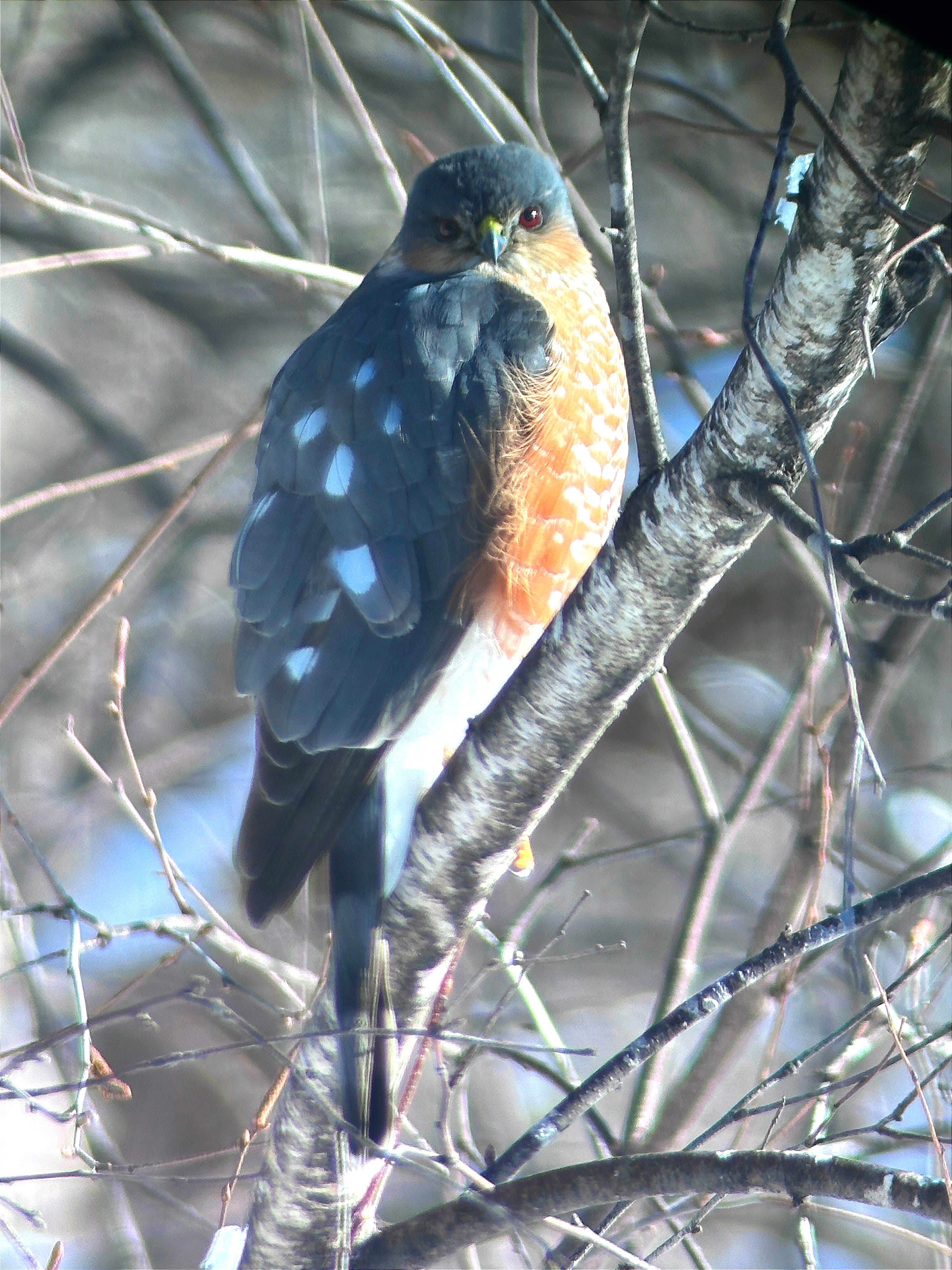
Yesterday I noticed my resident Sharp-shinned Hawk sitting still in a birch tree waiting to catch an unsuspecting feeder bird passing by. The hawk allowed me to set up my new scope for its first try at what is called digiscoping - attaching a digital camera to a telescope in order to produce a super telephoto shot.
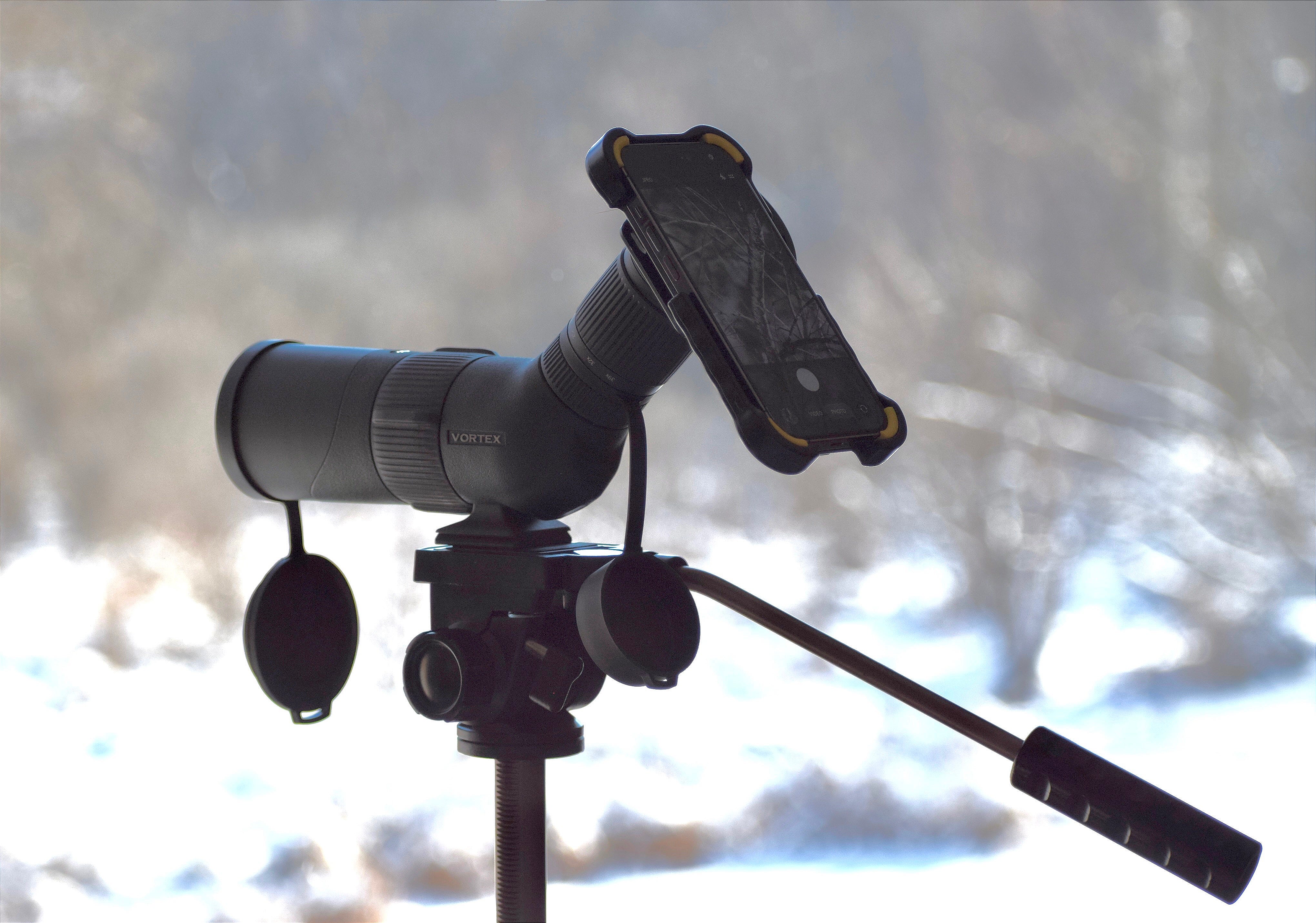
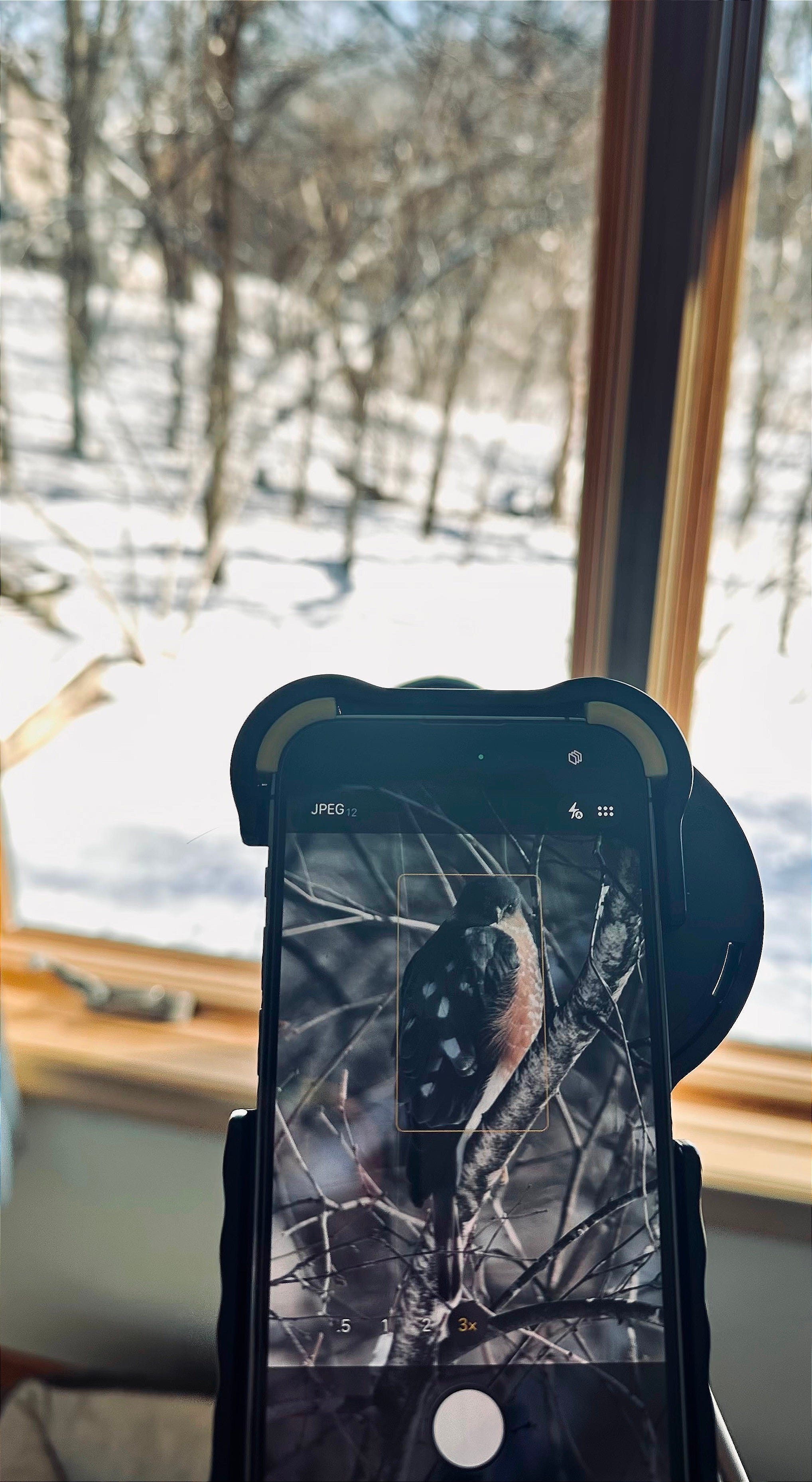
To get a good idea of how powerful the magnification is when digiscoping, here are two images - first taken with my 300mm telephoto lenses and the second with the spotting scope. Both images are pure - not cropped or edited.


Generally the spotting scope is able to super magnify the subject versus a telephoto but the trade-off is a bit diminished depth of color due to the lower light of the scope. The other trade-off is the bird needs to be somewhat stationary in order to zoom in and focus it in the eyepiece. Most birds are moving too quickly for this to work. When the situation is right to view through the scope, it is a treat.
What is even more impressive is the ease of shooting video. The ability to create high-quality video on smart phones is just amazing and when combined with the magnification of the scope makes great opportunities to film bird interactions. Here the quick head movements of this intense little predator is on display.
I look forward to getting some good results from this optics setup. Prior to getting a DSLR with telephoto, I had been trying to digiscope with my prior scope and a Canon point & shoot digital camera. The very first attempt with my old scope was back in 2003 trying to photograph a gray fox climbing a tree in our backyard.
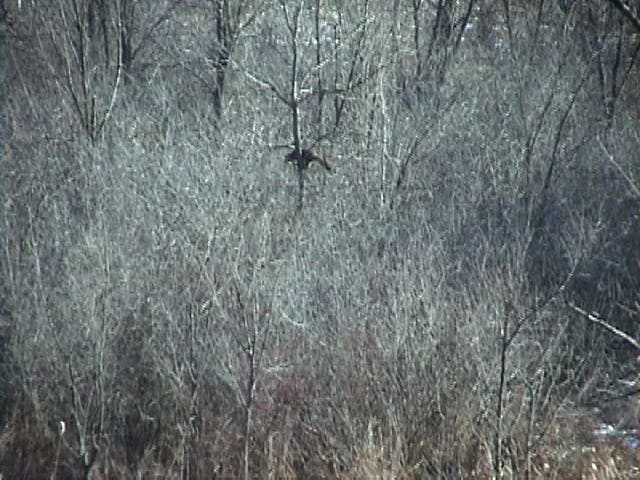
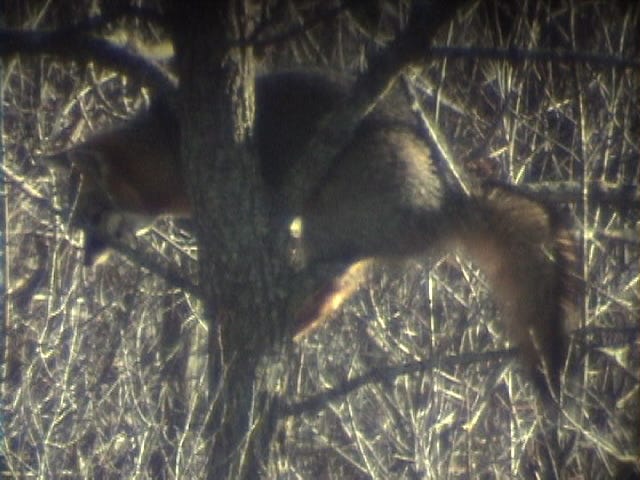
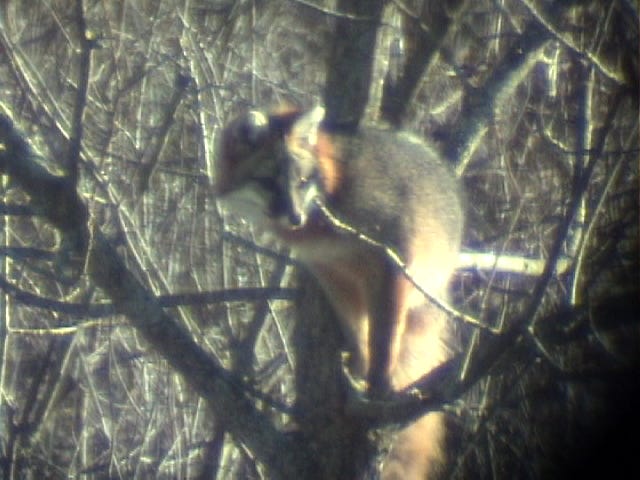
As time went on, I got better at holding the camera close to the eyepiece but could not produce sharp images due to the optics.
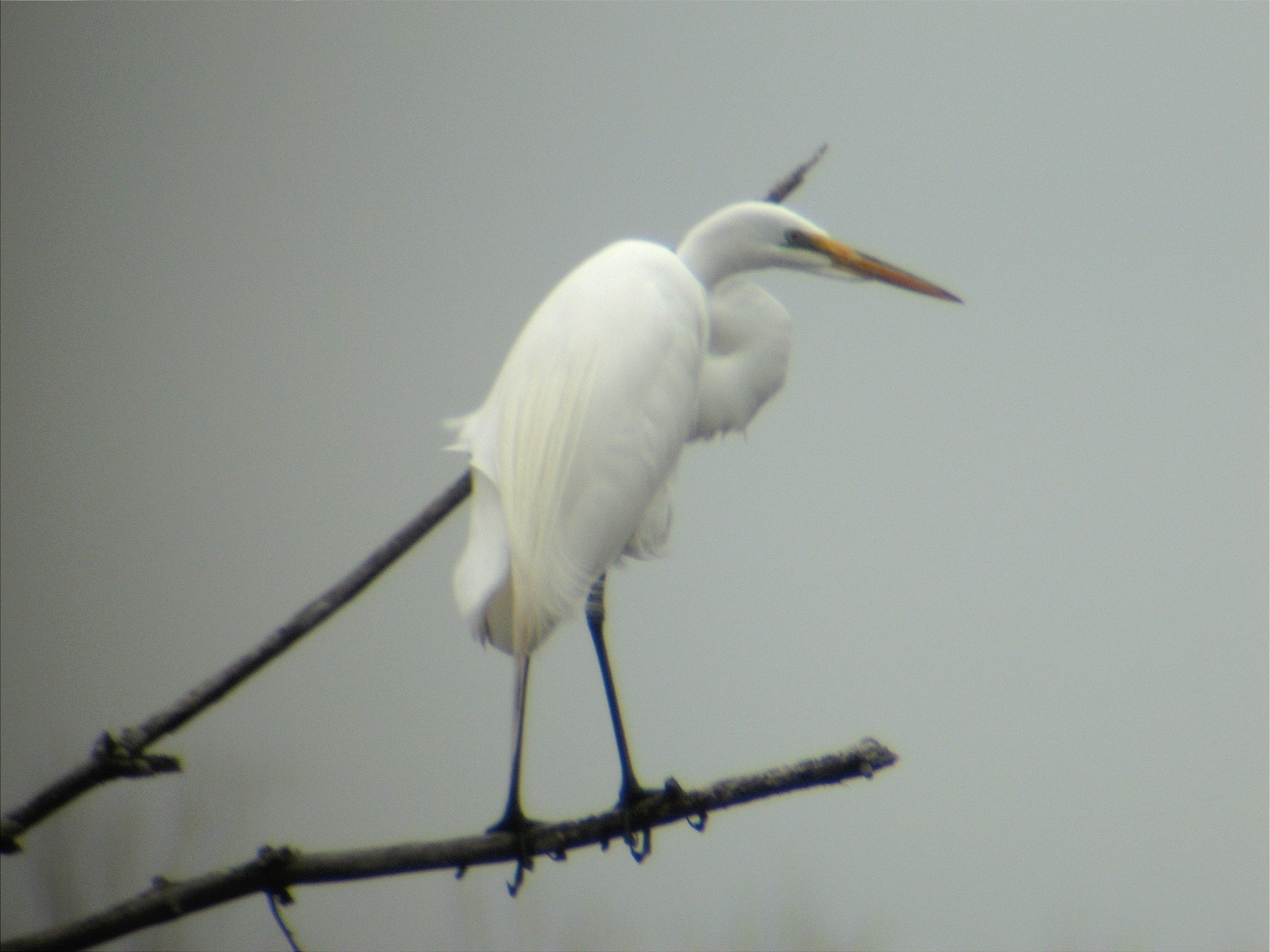
Improved spotting scopes and smartphones with adapters have really changed the game for this type of photography. The scope I chose is short and lightweight to manage out in the field. For smartphone adapters, there is a company called Phone Skope that specializes in making spotting scope attachments for digiscoping.
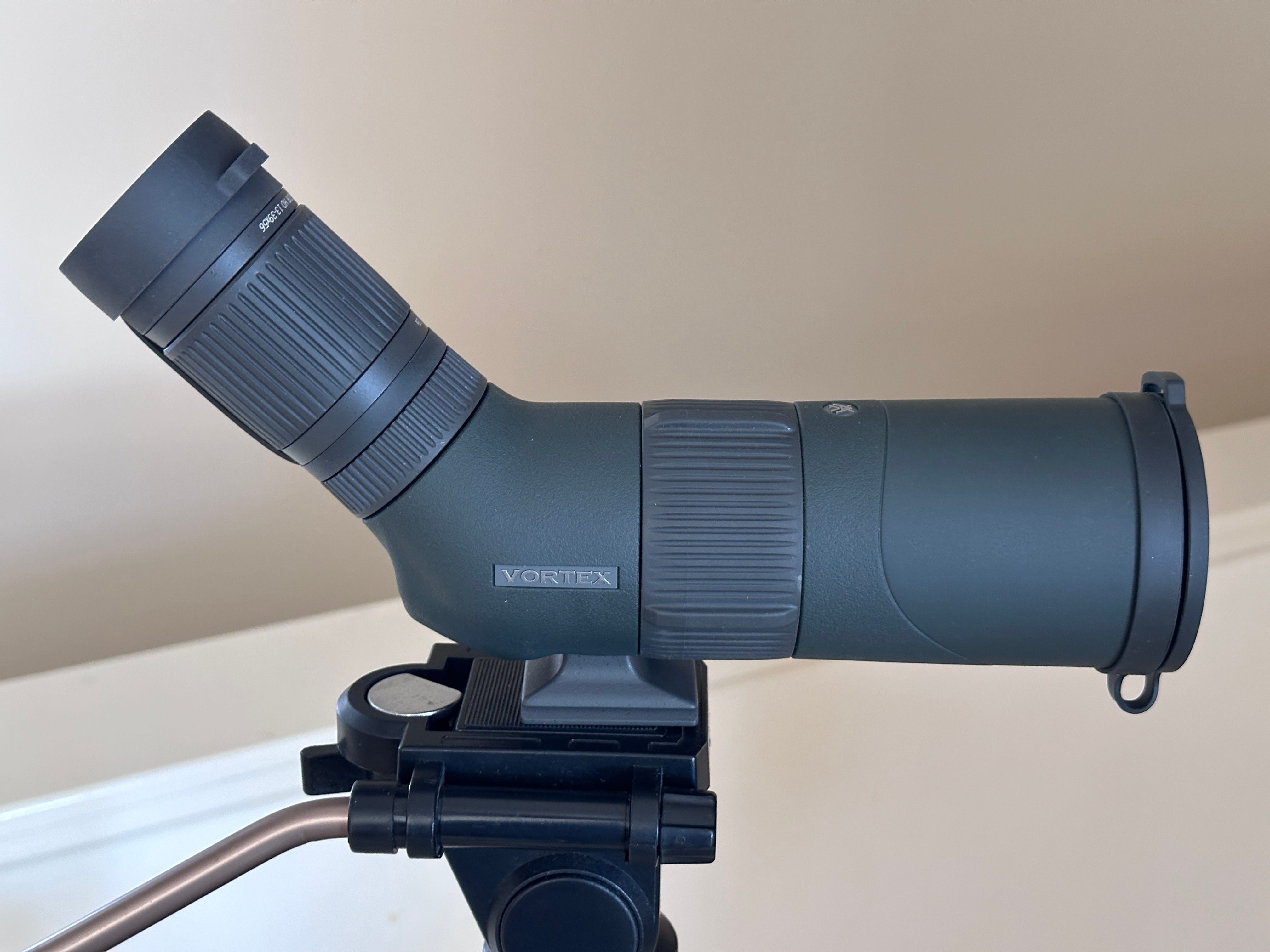
Also spotting scopes are nice to have in homes that feature long views whether it be a body of water or open landscapes that would feature wildlife.
What a nice addition! Love the video of the hawk!